Agentic AI, Pindrop, and Anonybit: The Future of Identity Security
The rise of agentic AI is transforming how digital systems make decisions, interact with users, and secure sensitive data. At the same time, companies like Pindrop and Anonybit are reshaping identity verification and fraud prevention.
Together, these technologies represent a major shift toward autonomous, privacy-first, and AI-driven security systems.
What Is Agentic AI
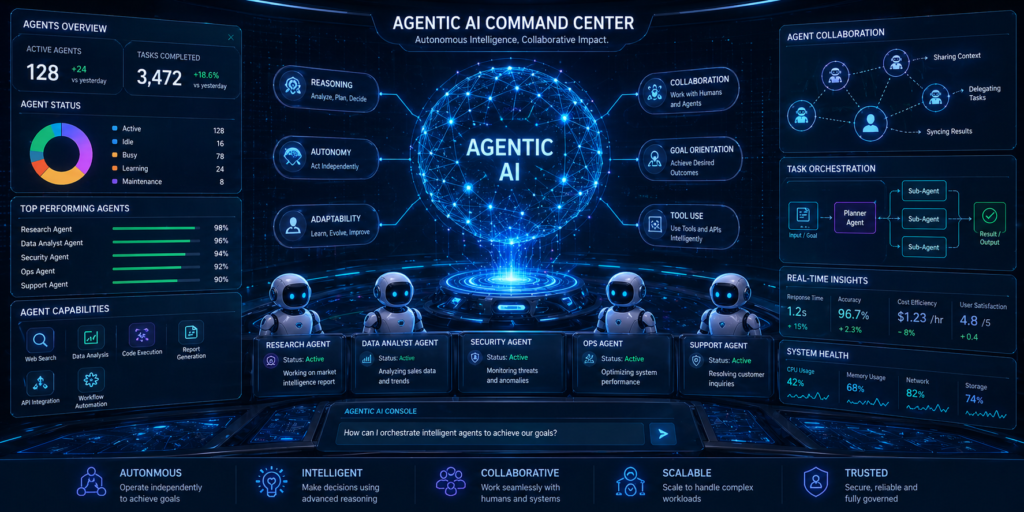
Agentic AI refers to artificial intelligence systems that can independently plan, decide, and act toward a goal. Unlike traditional AI, it does not only respond to prompts but also takes initiative based on context.
As a result, agentic AI is increasingly used in automation, cybersecurity, and digital identity systems. Moreover, it improves efficiency by reducing human dependency in repetitive decision-making tasks.
Role of Pindrop in AI Security
Pindrop focuses on voice security and fraud detection. It uses AI to analyze voice patterns and detect fraudulent activity in real time.
Additionally, it helps organizations prevent identity theft in call centers and customer support systems. Therefore, it plays a critical role in securing voice-based authentication channels.
Role of Anonybit in Identity Protection
Anonybit builds decentralized identity infrastructure. It focuses on eliminating centralized storage of sensitive biometric data.
Instead, identity information is distributed and encrypted, which reduces the risk of large-scale data breaches. Consequently, users gain more control over their personal data.
How Agentic AI Connects with Identity Security
Agentic AI enhances identity security systems by enabling real-time decision-making. For example, it can detect suspicious behavior and trigger automated security responses.
Furthermore, when combined with platforms like Pindrop and Anonybit, it strengthens authentication, fraud detection, and privacy protection.
Key Benefits of This Technology Combination
Firstly, it improves fraud detection accuracy through continuous learning systems.
Secondly, it enhances user privacy by reducing centralized data storage risks.
Additionally, it enables faster authentication processes without compromising security.
Finally, it supports scalable and automated cybersecurity operations.
Real-World Use Cases
Agentic AI and identity security technologies are widely used in banking, healthcare, and enterprise systems.
For instance, financial institutions use voice authentication to verify customers securely.
Similarly, decentralized identity systems are being used to protect sensitive biometric data.
Challenges and Risks
Despite its benefits, this ecosystem also faces challenges. AI decision-making transparency remains a concern.
Additionally, integrating decentralized identity systems into existing infrastructure can be complex.
There are also ongoing debates about regulation and ethical use of autonomous AI systems.
Future of Agentic AI in Identity Security
The future of digital security will likely be driven by autonomous AI systems.
As agentic AI evolves, it will work alongside identity platforms to create self-defending systems.
Ultimately, this will lead to more secure, private, and efficient digital ecosystems.
FAQs
What is agentic AI?
Agentic AI is a type of AI that can independently make decisions and take actions toward goals.
What does Pindrop do?
Pindrop specializes in voice security and fraud detection using AI technology.
What is Anonybit used for?
Anonybit provides decentralized identity infrastructure to protect biometric data.
How does agentic AI improve security?
It enables real-time threat detection and automated response systems.
Is decentralized identity more secure?
Yes, it reduces risks by avoiding centralized storage of sensitive data.
Conclusion
Agentic AI, Pindrop, and Anonybit together represent the next generation of digital identity and security systems.
By combining autonomous intelligence with privacy-focused infrastructure, they are shaping a safer and more efficient digital future.