As artificial intelligence continues transforming industries, many professionals are asking, will AI replace accountants? With AI-powered software now capable of processing transactions, generating reports, and automating routine tasks, it’s understandable why the future of accounting has become a popular topic of discussion.
The short answer is no, AI is unlikely to completely replace accountants. However, it is changing how accountants work and the skills they need to remain competitive.
What Is AI Doing in Accounting?
Modern AI tools can perform many accounting-related tasks faster than traditional manual processes.
Examples include:
- Data entry automation
- Invoice processing
- Expense tracking
- Financial reporting
- Fraud detection
- Tax calculations
These capabilities help businesses improve efficiency and reduce administrative workloads.
Why People Think AI Will Replace Accountants
Several factors contribute to concerns about automation.
AI systems can:
- Process large volumes of data quickly
- Reduce human errors
- Work continuously without breaks
- Automate repetitive tasks
Because many accounting duties involve structured data, AI can handle certain functions exceptionally well.
1. AI Is Replacing Repetitive Tasks, Not Entire Careers
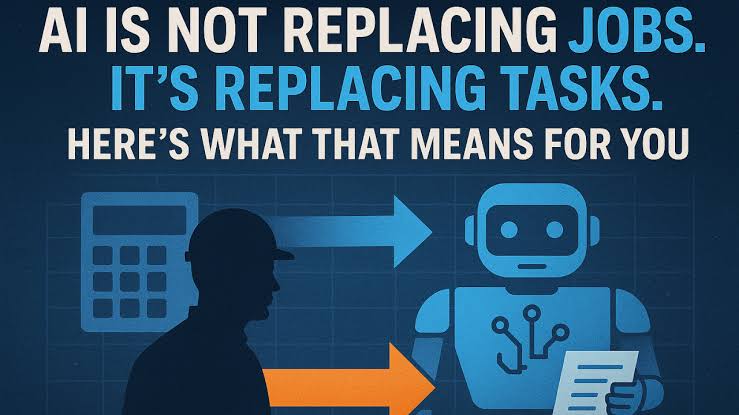
One of the biggest misconceptions is that automation eliminates entire professions.
In reality, AI is primarily replacing tasks such as:
- Manual bookkeeping
- Data reconciliation
- Receipt categorization
- Routine reporting
This allows accountants to focus on higher-value responsibilities.
2. Strategic Decision-Making Still Requires Humans
Businesses rely on accountants for more than calculations.
Accountants provide:
- Financial advice
- Business insights
- Risk assessments
- Strategic planning
- Regulatory guidance
These activities often require judgment, experience, and understanding of unique business circumstances.
3. Tax Planning Needs Human Expertise
While AI can assist with tax preparation, tax planning remains complex.
Professionals often help clients:
- Reduce tax liabilities legally
- Navigate changing regulations
- Structure business transactions
- Plan long-term financial strategies
Human expertise remains critical in these areas.
4. Client Relationships Cannot Be Fully Automated
Accounting is not only about numbers.
Many clients value:
- Personal communication
- Trustworthy advice
- Professional relationships
- Customized recommendations
AI may support customer service, but building trust often requires human interaction.
5. AI Creates New Opportunities for Accountants
Instead of eliminating jobs, AI is creating new career paths.
Emerging opportunities include:
- Financial data analysis
- AI-assisted auditing
- Technology consulting
- Financial forecasting
- Business intelligence
Professionals who embrace technology may find themselves in higher-demand roles.
6. Auditing Still Requires Human Oversight
AI can analyze transactions and identify unusual patterns, but auditors often need to investigate findings.
Human auditors provide:
- Contextual understanding
- Professional skepticism
- Ethical judgment
- Regulatory interpretation
These qualities remain difficult to automate completely.
7. The Future Accountant Will Work Alongside AI
The accounting profession is evolving rather than disappearing.
Future accountants will likely:
- Use AI-powered software daily
- Focus on advisory services
- Interpret financial insights
- Support business strategy
- Manage complex financial decisions
Technology will become a tool that enhances productivity rather than a replacement for expertise.
Benefits of AI in Accounting
AI offers several advantages for accounting professionals.
Increased Efficiency
Routine tasks can be completed much faster.
Improved Accuracy
Automation reduces many common data-entry errors.
Better Financial Insights
AI can analyze trends and patterns more effectively.
Cost Savings
Businesses can streamline operations and reduce administrative expenses.
Skills Accountants Should Develop
To remain competitive, accountants should focus on:
- Data analysis
- Financial strategy
- Technology literacy
- Business consulting
- Communication skills
- AI tool proficiency
Combining accounting expertise with technology knowledge will be increasingly valuable.
Industries Most Affected by Accounting Automation
AI adoption is growing across:
- Corporate finance
- Banking
- Tax services
- Payroll management
- Bookkeeping firms
However, the level of automation varies depending on the complexity of the work. This is also reflected in payroll services Netherlands, where AI is increasingly used for routine tasks while more complex work still requires human expertise.
Challenges of AI in Accounting
Despite its benefits, AI also has limitations.
Challenges include:
- Data privacy concerns
- Regulatory compliance issues
- Algorithm bias
- Implementation costs
- Dependence on accurate data
Human oversight remains essential to address these challenges.
Conclusion
If you’re wondering will AI replace accountants, the most realistic answer is that AI will transform the profession rather than eliminate it. Routine and repetitive tasks are increasingly being automated, but strategic thinking, client relationships, regulatory expertise, and financial advisory services continue to require human professionals.
The accountants who adapt to AI technology and develop advanced analytical and advisory skills are likely to thrive in the future. Rather than competing with AI, successful professionals will learn how to work alongside it.
FAQs
Will AI completely replace accountants?
No. AI is expected to automate certain tasks, but human expertise remains essential for advisory, strategy, and decision-making roles.
What accounting tasks can AI automate?
AI can automate bookkeeping, invoice processing, data entry, expense tracking, and some reporting functions.
Is accounting still a good career?
Yes. Accounting continues to offer strong career opportunities, especially for professionals who embrace technology and advisory services.
How can accountants prepare for AI?
Learning data analytics, financial technology tools, and AI-assisted workflows can help accountants stay competitive.